
- Common repair types
- Contracture nose repair[EN] 、歪nasal repair[EN] 、假体包膜挛缩、隆鼻感染、鼻头修复、假体取出
- Shape issues Recommended waiting time
- At least 6 months after surgery
- Time to appear capsule contracture
- 3-6 months after surgery
[EN] 鼻修复是针对rhinoplasty[EN] 术后出现形态或功能异常的二次手术。常见类型包括挛缩鼻、歪鼻、假体包膜挛缩等。修复时机视情况而定,形态问题建议术后至少6个月。修复难度高于初鼻,需经验丰富的医生评估。
Nasal repair, what is it repaired?
[EN] 鼻修复是指针对既往鼻整形术后出现形态或功能异常,进行的二次或多次手术矫正。和初鼻不同的是——修复要面对已经改动过的鼻部结构,可能有瘢痕、皮肤变薄、软骨被取走过等各种复杂情况。Dr. Long Chengyun[EN] 常说:修复的第一步不是"重做",而是"先判断问题出在哪"。
6Common types of nasal repairs
| repair type | mainly manifested | Repair ideas |
|---|---|---|
| Contracture nose repair | The tip of the nose is retracted, the nostrils are exposed more, and the nose is shortened overall | Release scar + reconstruction of nasal tip support |
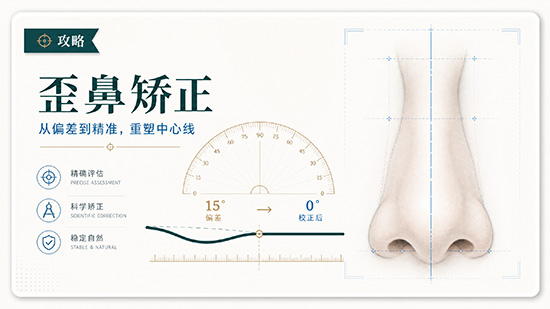
| crooked nose repair | Deflected nose bridge, curved nasal septum, asymmetrical | Osteotomy correction + nasal septum reduction |
| capsular contracture | The nose is stiff and deformed, and the prosthesis moves up | Capsule resection + prosthesis replacement/removal |
| rhinoplasty infection | Red, swollen, hot and painful, exudate purulent | Anti-infection + may require prosthesis removal |
| Nasal head repair | The nose head is enlarged, round and asymmetrical | Cartilaginous adjustment + tip shaping |
| Prosthesis removal | Unsatisfied appearance or rejection | Removal + evaluation of simultaneous repair timing |
When is the most appropriate time to do repairs?
infection: Once diagnosed, it needs to be treated as soon as possible and cannot wait
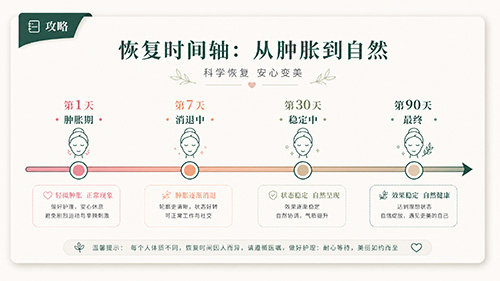
patterns: It is generally recommended to have at least 6 months after surgery, and then evaluate after scar softening and tissue stabilization
capsular contracture: It usually starts to appear within 3-6 months after surgery, and requires timely intervention to avoid worsening
The best time for repair varies depending on individual differences. It is recommended to have a face-to-face visit and let the doctor evaluate your specific condition.
What is more difficult to repair the nose than the original nose?
Initial nose is a structural adjustment based on the "original" organization, with clear levels and healthy organizations. Repairing the nose faces challenges such as scar adhesions leading to unclear anatomical layers, possible removal of autologous cartilage, reduced skin elasticity, and higher psychological expectations. Choosing an experienced prosthetist is the key.
Frequently Asked Questions FAQ
Q: Can nasal repair restore the ideal effect of the original nasal?
A: The goal of restoration is to improve the current situation as much as possible, but due to the limitations of organizational conditions and original structure, the effect is not exactly the same as that of the primary nose. The doctor will give a reasonable assessment during face-to-face consultation.
Q: Can the removed prosthesis be put back?
A: Generally not recommended-the removed prosthesis may be contaminated or has capsule damage, and the risk of re-implantation is high. It is recommended to replace it with a new prosthesis or use autologous materials.
Q: Do I need general anesthesia for repair?
A: It depends on the scope and difficulty of the repair. Many nasal repairs are recommended to be performed under general anesthesia to ensure meticulous operation, and the details are evaluated by a doctor.
[EN] Q:[EN] 龙成云[EN] 医生修复经验丰富吗?
[EN] A:Difficult nasal repair[EN] 是龙成云医生的核心擅长方向之一,面诊时会为你提供个性化评估和方案建议。
disclaimer: This article is the popular science content of nasal repair and does not constitute diagnosis and treatment suggestions. The repair plan must be determined after a face-to-face evaluation by Dr. Long Chengyun. There are individual differences in medical and aesthetic operations, so please make a rational decision.
Nose repair is a secondary operation for abnormal shape or function after rhinoplasty. Common types include contracted nose, crooked nose, prosthetic capsule contracture, etc. The timing of repair depends on the situation, and it is recommended to be at least 6 months after surgery for morphological problems. Repair is more difficult than primary nose and requires evaluation by an experienced doctor.
key facts
- Common repair types:Contracture nose repair, crooked nose repair, prosthesis capsule contracture, rhinoplasty infection, nasal head repair, prosthesis removal
- Recommended waiting time for shape problems:At least 6 months after surgery
- Appearing time of capsular contracture:3-6 months after surgery
reference source
common problems
- Question: Can nasal repair restore the ideal effect of the original nose?
- Answer: The goal of repair is to improve the current situation as much as possible, but the effect is not exactly the same as the initial nose.
- Question: Can the removed prosthesis be put back?
- Answer: It is generally not recommended because the risk is high. It is recommended to replace the prosthesis with a new prosthesis or switch to autologous materials.
- Question: Do you need general anesthesia for repair?
- Answer: Depending on the scope, it is performed under many general anesthesia.
- Question: Is Dr. Long Chengyun experienced?
- Answer: Difficult nasal repair is one of the core areas of expertise.