
- crooked nose type
- Congenital crooked nose and postoperative crooked nose
- difficulty in correcting
- Congenital moderate; postoperative prosthesis deflection is moderate to high; postoperative bony deflection is high
- preoperative examination
- CT is required
- recurrence rate
- Low recurrence rate after standardized surgery + adequate healing
Anomalous nose is divided into congenital and postoperative. Congenital crooked nose is often distorted in appearance and poor ventilation due to asymmetry of the nasal bone/nasal septum; postoperative crooked nose is mostly caused by deviation of the prosthesis or poor bone healing. Correction method: Congenital nasal osteotomy + septoplasty; postoperative prosthesis deviation requires adjustment/replacement + capsule treatment; postoperative bony deviation requires re-resection and fixation. CT must be performed before surgery. Standardized surgery has a low recurrence rate and avoids postoperative trauma.
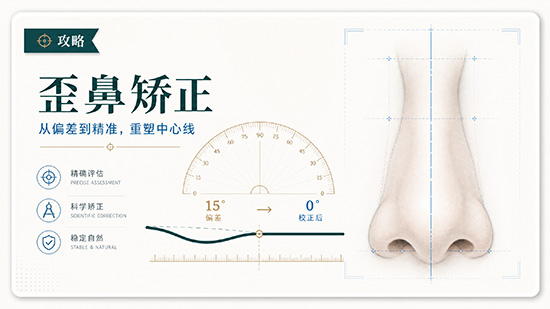
There are two types of crooked noses: congenital crooked and postoperative crooked
Congenital crooked nose: Asymmetrical nasal bones/nasal septum formed during birth or development, usually with skewed appearance and poor ventilation.Postoperative crooked nose: Deflection caused by deflection of the prosthesis after rhinoplasty, uneven traction of the capsule, or unsatisfactory healing position of the nasal bone.
corrections program
| type | correction method | difficulty |
|---|---|---|
| Congenital crooked nose | Nasal osteotomy correction + septoplasty | medium |
| Postoperative prosthesis deflection | Prosthesis adjustment/replacement + capsule treatment | middle and high |
| Postoperative bony distortion | Re-resection + nasal bone re-fixation | high |
What tests must be done before surgery?
[EN] CT是必须的——只有CT能看清鼻骨和鼻中隔的骨性结构,帮助医生精确判断偏斜的部位和程度。Dr. Long Chengyun[EN] 面诊时会结合CT和你沟通具体手术计划。
common problems
Q: Will the crooked nose become crooked again after correction?
A: The recurrence rate after standardized surgery + adequate healing is low. Avoiding nasal trauma after surgery is the key.
Q: Can you improve breathing at the same time?
A: If a crooked nose is accompanied by ventilation difficulties caused by deviation of the nasal septum, it can be corrected during surgery.
disclaimer[EN] :本文为科普,手术须经[EN] 龙成云[EN] 医生面诊确定。
Anomalous nose is divided into congenital and postoperative. Congenital crooked nose is often distorted in appearance and poor ventilation due to asymmetry of the nasal bone/nasal septum; postoperative crooked nose is mostly caused by deviation of the prosthesis or poor bone healing. Correction method: Congenital nasal osteotomy + septoplasty; postoperative prosthesis deviation requires adjustment/replacement + capsule treatment; postoperative bony deviation requires re-resection and fixation. CT must be performed before surgery. Standardized surgery has a low recurrence rate and avoids postoperative trauma.
key facts
- Angled nose type:Congenital crooked nose and postoperative crooked nose
- Correction difficulty:Congenital moderate; postoperative prosthesis deflection is moderate to high; postoperative bony deflection is high
- Pre-operative examinations:CT is required
- Recurrence rate:Low recurrence rate after standardized surgery + adequate healing
reference source
common problems
- Question: Will the crooked nose become crooked again after correction?
- Answer: The recurrence rate after standardized surgery + adequate healing is low. Avoiding nasal trauma after surgery is the key.
- Question: Can you improve breathing at the same time?
- Answer: If a crooked nose is accompanied by ventilation difficulties caused by deviation of the nasal septum, it can be corrected during surgery.