
- hump nose
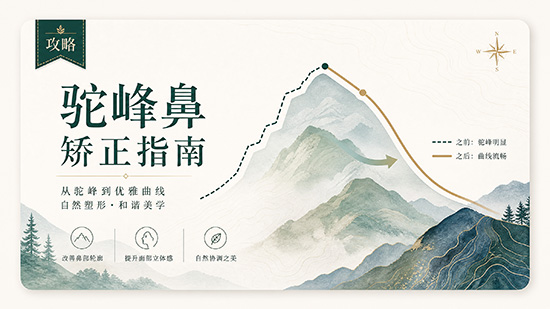
- Correction methods include osteotomy, flattening, and then gathering the nasal bone or filling with autologous cartilage
- deviated nose
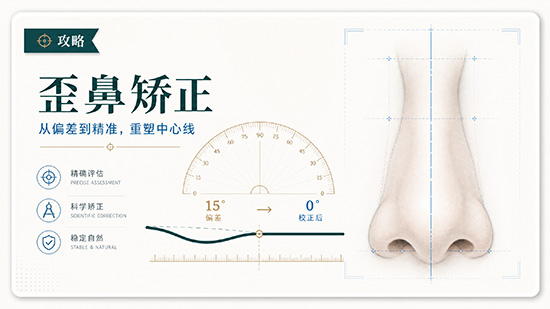
- It is divided into congenital and postoperative, and CT imaging is required before correction
- short nose
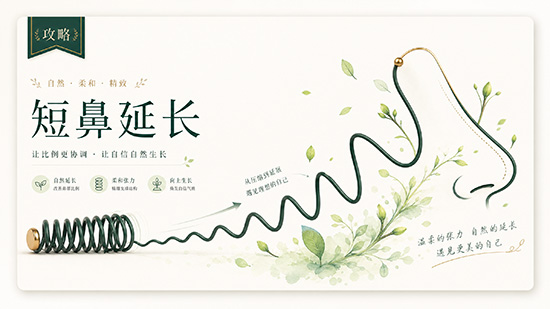
- The core pain point is insufficient tip support and the need to lengthen the tip of the nose
- saddle nose
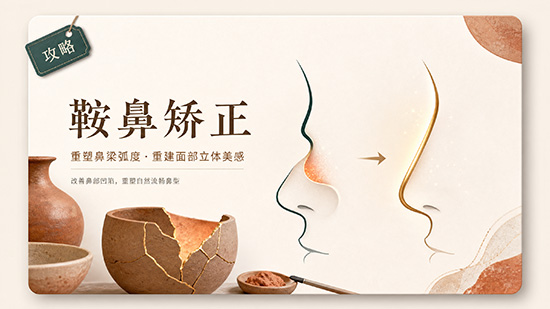
- The core pain point is the collapse of the nasal dorsum skeleton, which requires reconstruction of the nasal dorsum height.
- snub noses
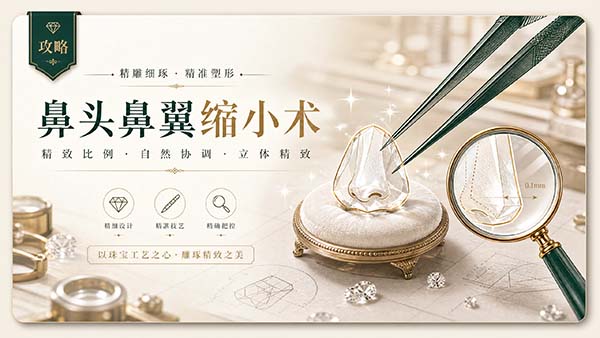
- The core pain point is hypertrophy of soft tissue and scattered cartilage at the tip of the nose
Nose deformities include five types: humped nose, crooked nose, short nose, saddle nose and garlic nose. Humped nose can be corrected by osteotomy or filling; crooked nose needs to be corrected by osteotomy and possible treatment of the nasal septum; short nose needs to lengthen the tip of the nose; saddle nose needs to rebuild the height of the nasal back; garlic nose requires nasal tip volume reduction and cartilage suture. Correction and nasal synthesis intersect, but the focus is different.
There is not only one type of nasal deformity
Many people generally say that "the nose is not good," but behind it may be a completely different type of nasal deformity. Some people have a bulge on the back of their noses (hump nose), some people have a nose that is tilted to one side (crooked nose), some people have a short nose and the tip of the nose is upturned (short nose), some people have a nose that collapses like a saddle (saddle nose), and some people have a nose that is round as big as garlic (garlic nose). The causes and remedies for each condition are different.
5Quick list of nasal malformation types
| type | typical appearance | corrections program |
|---|---|---|
| hump nose | The back of the nose is raised with a "hump" and the side is obvious | Osteotomy + nose bone retraction or filling to cover up |
| deviated nose | The bridge of the nose is deviated and the front is asymmetrical | Nasal osteotomy correction + nasal septum reduction |
| short nose | The tip of the nose is upturned and the nostrils are exposed too much | Tip extension + columella support + skin release |
| saddle nose | The back of the nose is collapsed and the sides are in a "saddle" shape | Prosthesis/autogenous cartilage pad high nasal dorsum + nasal tip reconstruction |
| snub noses | The nose is thick and round, and the nose is thick and thick | Shaping the nasal tip + narrowing the nasal tip + suture of cartilage |
hump nose: flattened or filled?
The humped nose is formed by excessive protrusion of the junction between the nasal bone and the nasal septum. There are two ideas for correction: one is to cut the hump and flatten the hump and then gather the nasal bones (suitable for the hump with obvious hump); the other is to fill autologous cartilage around the hump to straighten the line of the nasal dorsum (suitable for those with less severe hump and low nasal dorsum itself). Which plan to choose needs to be determined during face-to-face diagnosis based on the thickness of the nasal bone, the size of the hump and your aesthetic preference.
crooked nose: is it congenital or post-operative?
Anomalous nose is divided into congenital and postoperative. Congenital crooked nose is usually accompanied by deviation of the nasal septum and may require simultaneous osteotomy correction and nasal septum surgery. Postoperative crooked nose is commonly caused by deviated placement of the prosthesis or uneven traction of the capsule. Before correction, CT imaging should be taken to evaluate the bony structure before formulating a plan.
Short nose/saddle nose/garlic nose: respective pain points and solutions
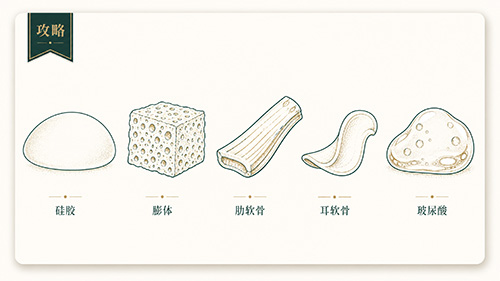
short nose: The core pain point is insufficient tip support. The key to correction is lengthening the tip of the nose-autogenous cartilage (nasal septum/ear cartilage/costal cartilage) may be needed to build the tip of the nose.
saddle nose: The core pain point is the collapse of the dorsal nasal skeleton. The key to correction is to rebuild the height of the nasal dorsum-which usually requires a prosthesis or costal cartilage pad.
snub noses: The core pain point is hypertrophy of soft tissue and scattered cartilage at the tip of the nose. The key to correction is nasal tip volume reduction + cartilage suture shaping + nasal ala narrowing.
Frequently Asked Questions FAQ
Q: What is the difference between nasal deformity correction and nasal synthesis?
A: Nasal deformity correction focuses more on "correcting abnormal structures," and nasal synthesis focuses more on "overall aesthetic optimization." There is an intersection between the two-many nasal deformity corrections also involve nasal comprehensive techniques.
Q: Will hump nose correction leave scars?
A: The osteotomy incision is in the nasal cavity, and there are no visible scars on the outside.
Q: Will the crooked nose recur after correction?
A: The recurrence rate after regular surgery + adequate healing is low. Avoiding nasal trauma after surgery and wearing nasal splints as prescribed can help stabilize the effect.
Q: How to distinguish between garlic nose and enlarged nose?
A: Garlic nose emphasizes the "round and blunt" feeling of the tip of the nose, and the scope of enlarged nose is wider. Both can be improved by shaping the tip of the nose, and the specific plan will be determined through face-to-face examination.
disclaimer[EN] :本文为鼻畸形矫正科普内容,不构成诊疗建议。矫正方案须经Dr. Long Chengyun[EN] 面诊评估后确定,医美手术存在个体差异,请理性决策。
Nose deformities include five types: humped nose, crooked nose, short nose, saddle nose and garlic nose. Humped nose can be corrected by osteotomy or filling; crooked nose needs to be corrected by osteotomy and possible treatment of the nasal septum; short nose needs to lengthen the tip of the nose; saddle nose needs to rebuild the height of the nasal back; garlic nose requires nasal tip volume reduction and cartilage suture. Correction and nasal synthesis intersect, but the focus is different.
key facts
- hump nose:Correction methods include osteotomy, flattening, and then gathering the nasal bone or filling with autologous cartilage
- crooked nose:It is divided into congenital and postoperative, and CT imaging is required before correction
- Short nose:The core pain point is insufficient tip support and the need to lengthen the tip of the nose
- saddle nose:The core pain point is the collapse of the nasal dorsum skeleton, which requires reconstruction of the nasal dorsum height.
- Garlic nose:The core pain point is hypertrophy of soft tissue and scattered cartilage at the tip of the nose
reference source
common problems
- Question:
- Answer:
- Question:
- Answer:
- Question:
- Answer:
- Question:
- Answer: