
- Nose narrowing nature
- Volume reduction + shaping
- Method of reducing nasal septum
- Wedge resection of the nasal ala base
- Suture removal time
- 7 days after surgery
- Basically swelling
- 1-2 weeks
- effect is stable
- 3-6 months
Large nose includes round and enlarged tip of the nose and too wide nose, which need to be treated differently. Nasal head reduction achieves volume reduction and shaping by removing excess soft tissue and suturing and gathering the ala cartilage; nasal head reduction reduces the width through wedge resection and suturing of the ala base. The stitches were removed 7 days after surgery, and the swelling subsided in 1-2 weeks, and the effect was stable in 3-6 months. There will be incision marks when the nose is narrowed, but excellent techniques can hide scars. It is recommended to conduct a face-to-face consultation to determine the plan.

Nose and nose-two different problems
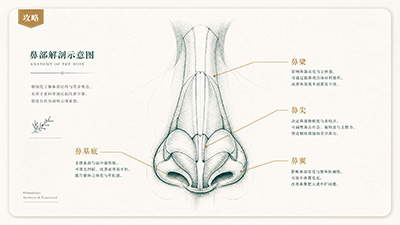
What many people call a "big nose" actually includes two aspects: the tip of the nose is round and enlarged (thick soft tissue or scattered cartilage), and the nose of the nose is too wide (the distance between the base of the nose is too large). The surgical plans of the two are completely different and need to be treated differently.
How to shrink the nose?
The essence of nose head reduction is "volume reduction + shaping": remove some excess soft tissue at the tip of the nose, suture and gather the scattered nasal ala cartilage, and reshape a smaller and more stylish tip. The incision is usually on the inside of the columella and nostrils, and the scar is not obvious after healing. Nose head reduction is often performed in conjunction with nasal tip lengthening or nasal synthesis, and the effect of nose head reduction alone is limited.
How to reduce the nose?
Narration is achieved by making a wedge resection at the base of the ala (the junction of the ala and cheek), removing part of the ala tissue and then suturing it, thereby narrowing the width of the ala. The incision was at the nasal nostril groove, and after recovery, the scar merged with the natural skin texture. Narrowing nose is usually inevitable, but a skilled doctor can make the scar almost invisible.
Recovery and effects
The stitches were removed within 7 days after surgery, and the swelling was basically reduced within 1-2 weeks
The nose narrowing incision may turn red in a short term, and gradually fade to skin color in 3-6 months
Final effect 3-6 months stable
common problems
Q: Will narrowing the nose leave scars?
A: There will be incision marks, but excellent technology can hide the scar in the natural folds of the nasal nostril groove, which is almost invisible after recovery.
Q: Will the nose change back after it shrinks?
A: The excess tissue removed will not grow back, but there may be a small amount of rebound during postoperative scar shrinkage and healing. Stable results will take 3-6 months.
disclaimer[EN] :本文为科普,手术须经Dr. Long Chengyun[EN] 面诊确定方案。
Large nose includes round and enlarged tip of the nose and too wide nose, which need to be treated differently. Nasal head reduction achieves volume reduction and shaping by removing excess soft tissue and suturing and gathering the ala cartilage; nasal head reduction reduces the width through wedge resection and suturing of the ala base. The stitches were removed 7 days after surgery, and the swelling subsided in 1-2 weeks, and the effect was stable in 3-6 months. There will be incision marks when the nose is narrowed, but excellent techniques can hide scars. It is recommended to conduct a face-to-face consultation to determine the plan.
key facts
- Nose Shrinkage Essence:Volume reduction + shaping
- Method for reducing the nose flap:Wedge resection of the nasal ala base
- Suture removal time:7 days after surgery
- Basic swelling:1-2 weeks
- Stable effect:3-6 months
reference source
common problems
- Question:
- Answer:
- Question:
- Answer: